Why Keys Snap Inside Locks — and Why It Matters Which Lock You Have
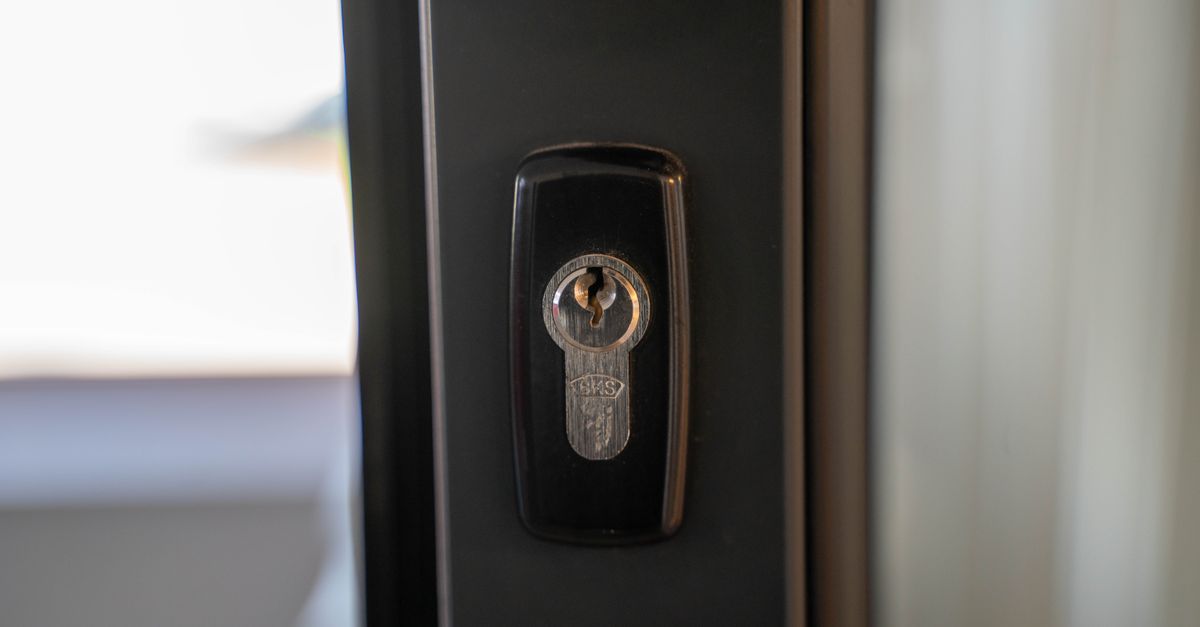
Keys break for a handful of well-understood reasons: metal fatigue from years of daily use, a lock that has stiffened through lack of lubrication, a frozen mechanism in winter, or the simple bad luck of forcing a key when it was not quite aligned. In Dagenham, as across most of east London, the majority of front doors use one of three common lock types — a Yale-style nightlatch (the spring-loaded lock that catches every time you pull the door shut), a 5-lever mortice deadlock (the second lock that requires a full turn of the key and that most home insurers require to BS3621 standard), or a euro cylinder inside a uPVC or composite multipoint door. Each of these presents a different internal geometry, which is exactly why the extraction method must be matched to the lock.
A nightlatch key that has snapped generally leaves a relatively short fragment in a narrow plug, which can often be coaxed out with slender extraction hooks. A mortice deadlock is deeper and the keyway longer, so the broken piece may have rotated partly or become wedged against a lever. Euro cylinders in multipoint locks — the kind found on the majority of uPVC front and back doors in this part of the borough — have a tighter, pin-tumbler mechanism, and the fragment can sit at any point along the cylinder's length depending on where in the turn the key gave way. Knowing these differences is not academic; it is what allows a trained technician to choose the right specialist tools and avoid damaging the lock in the process.