What a Lock Change After a Break-In Actually Involves
People sometimes assume that swapping a lock is a quick cosmetic fix. In reality, a thorough lock change after a break-in requires a proper damage assessment first. When a door is forced, the frame, the lock keep, the euro cylinder, and the multipoint mechanism can all be affected — and fitting a new cylinder into a bent or weakened housing achieves very little. Our technician will examine the full door set before recommending anything: checking whether the frame has been spread, whether the keep plate has pulled away from the timber, and whether the existing lock body itself can support a new cylinder or needs to be replaced entirely.
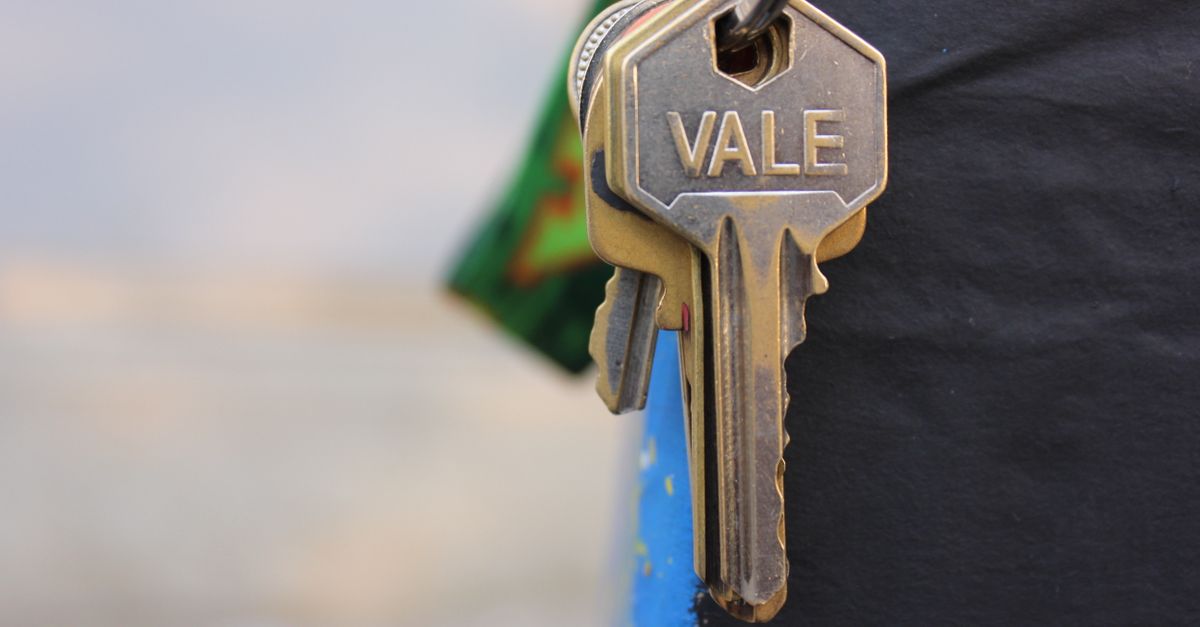
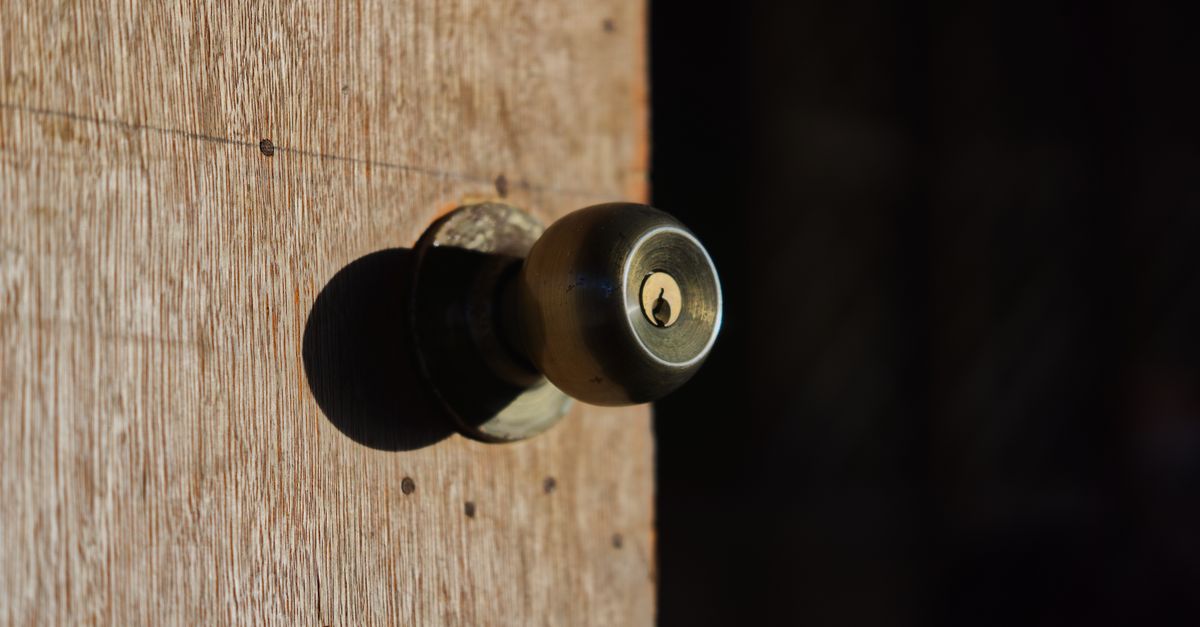
On a typical Dagenham terraced house, the front door will have either a Yale-type nightlatch alongside a 5-lever mortice deadlock, or a uPVC composite door with a multipoint lock driven by a euro cylinder. Each presents different vulnerabilities after a forced entry. A sprung nightlatch can be shimmed or the cylinder drilled out; a euro cylinder on a uPVC door is at risk of snapping — a technique where the cylinder is broken off with basic tools to retract the cam. Where cylinder snapping is the suspected method of entry, we fit anti-snap, TS007 3-star rated replacements as standard, which also satisfies the requirements many home insurers in the London Borough of Barking and Dagenham now ask for following a claim.